

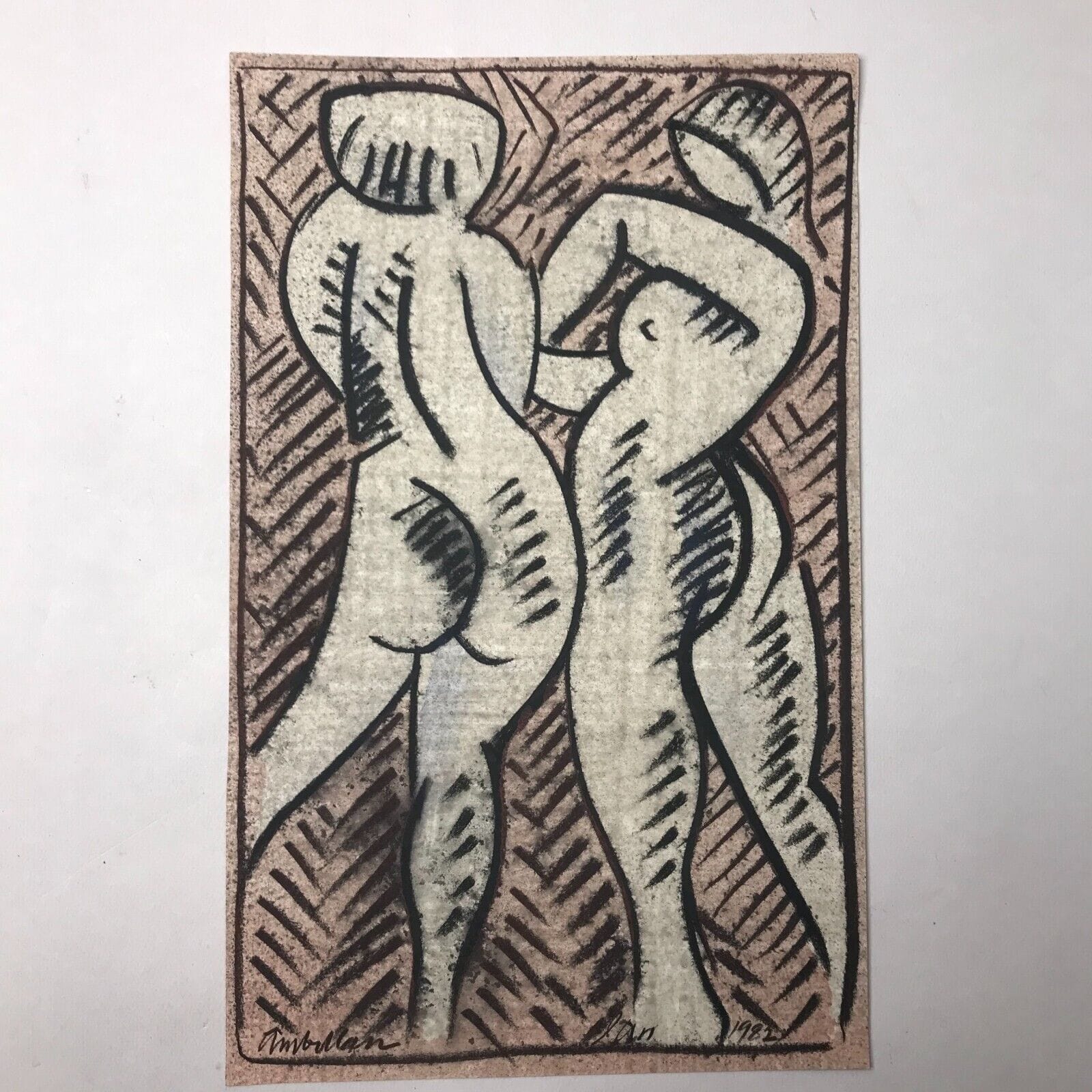


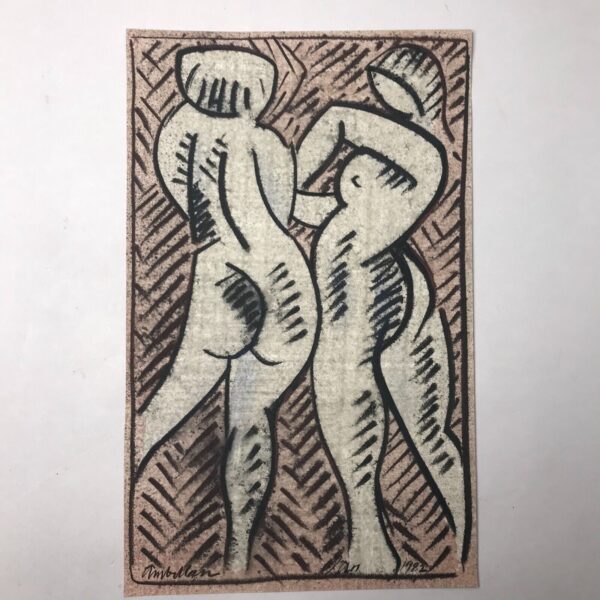
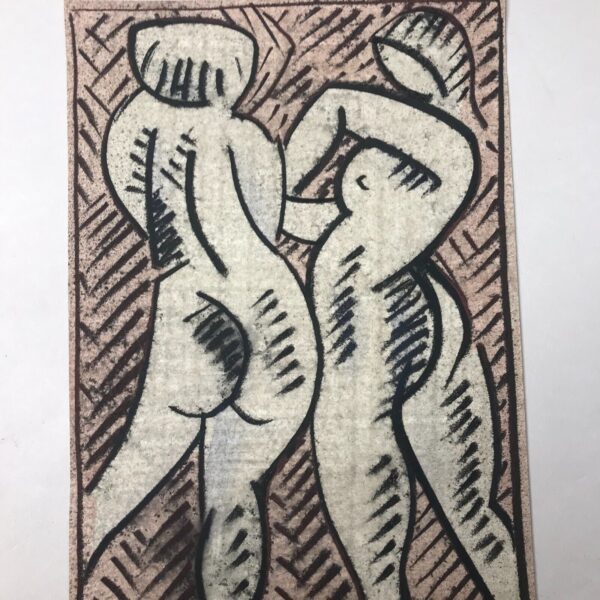
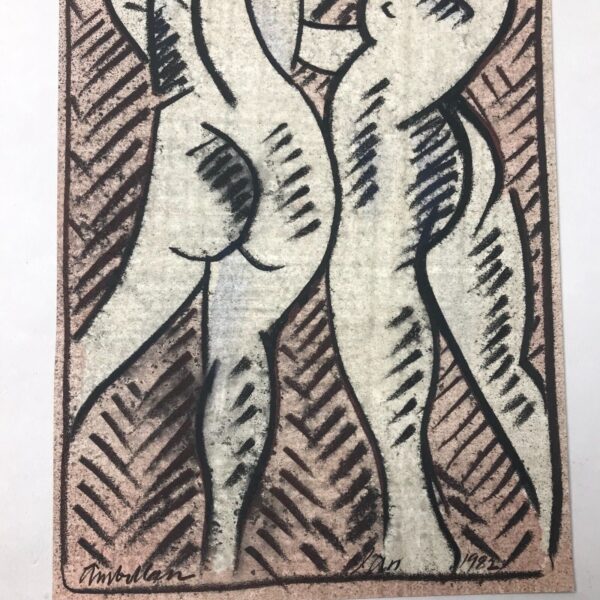
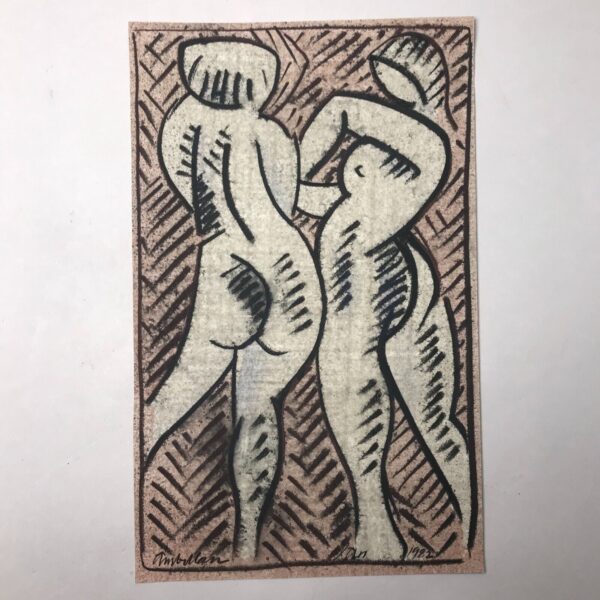
COUPLE – Harold AMBELLAN – charcoal and mixed media drawing, signed and dated 82 vintage
$278.00
Charcoal and mixed media drawing signed by Harold Ambellan (1912–2006), dated 1982, depicting a couple. The work illustrates the human figure, the artist’s central theme, in a balance between sculptural rigor and freedom of line. Created during his French period, the drawing displays fluid lines and an almost three-dimensional presence. An original piece, framed and in excellent condition, it reflects Ambellan’s humanist sensitivity. Approximate dimensions: 50 × 65 cm. Authentic vintage work, intended for modern art collectors and contemporary drawing enthusiasts.
Out of stock
Harold Ambellan, transatlantic artist
Harold Ambellan was born in Buffalo, New York, in 1912. Trained at the Art Students League, he developed a career as a sculptor before exploring drawing and mixed media. Influenced by Jacques Lipchitz and Ossip Zadkine, he participated in the New Deal movement and exhibited at MoMA as early as 1938. President of the Sculptors Guild of America in 1941, he was deeply involved in American intellectual and artistic life. His humanist commitment and progressive convictions led him to leave the United States during the McCarthy era to settle in France. He first established himself in Antibes, then in Arles, where he continued his artistic practice until the end of his life.
The couple as a central motif
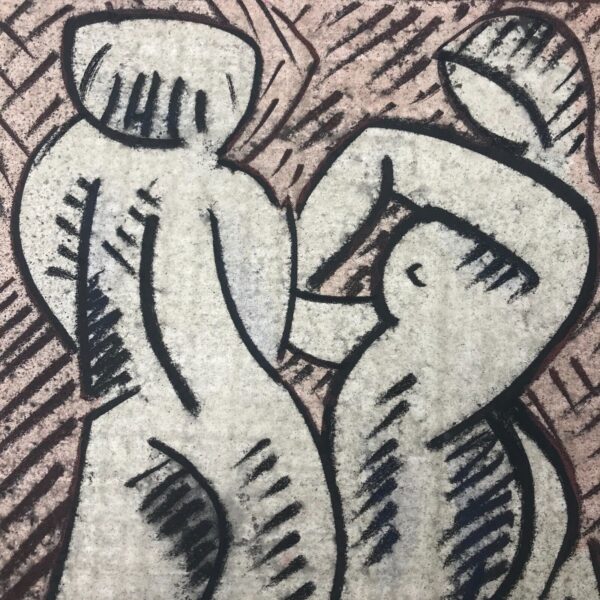
The human figure is the common thread in Ambellan’s work. The couple, a recurring subject, conveys a dialogue and symbolic unity. In this 1982 drawing, two silhouettes intertwine in a fluid, almost sculptural movement, where the line embraces volume and emotion. The artist manages to breathe density and depth into the paper through his mastery of charcoal and mixed media. The contours and shadows create a three-dimensional effect, giving the subject a tangible presence while maintaining the spontaneity of the graphic gesture.
Technique and French period
Dated and signed in Arles in 1982, this drawing belongs to Ambellan’s mature period. The line is meditative and confident, combining Cubist and Expressionist influences with references to ancient and African art. The mixed media technique combines charcoal, pencil, and pastel highlights, producing a textured and vibrant surface. Every line and shadow conveys both complicity and tension, capturing the intimacy and expressive power of the couple depicted.
An original drawing for collectors
A signed and dated work, preserved in excellent condition and simply framed, this drawing is a representative example of Harold Ambellan’s graphic work. It bears witness to the art of a creator at the crossroads of American and French cultures, sensitive to the human condition and the beauty of the line. Suitable for collection or exhibition, it illustrates the expressive power and coherence of a body of work where drawing dialogues with sculpture and contemporary painting.
| Weight | 5 kg |
|---|---|
| Expertise | Charcoal and mixed media drawing signed by Harold Ambellan (1912–2006), dated 1982, depicting a couple. An original piece, framed and in excellent condition, it reflects Ambellan's humanist sensitivity. Approximate dimensions: 50 × 65 cm. Authentic vintage work |
| Dimensions | approx. 50 × 65 cm |
| Services | Take a look at all our elegant decorative pieces by visiting the store. Available and at your disposal, we are here on the contact page for details. Your purchases are protected by solid packaging and international deliveries are handled with great care. Finally, add us to your bookmarks to be the first to discover our newest arrivals. |
Be the first to review “COUPLE – Harold AMBELLAN – charcoal and mixed media drawing, signed and dated 82 vintage”
Related products
Antique painting and drawing
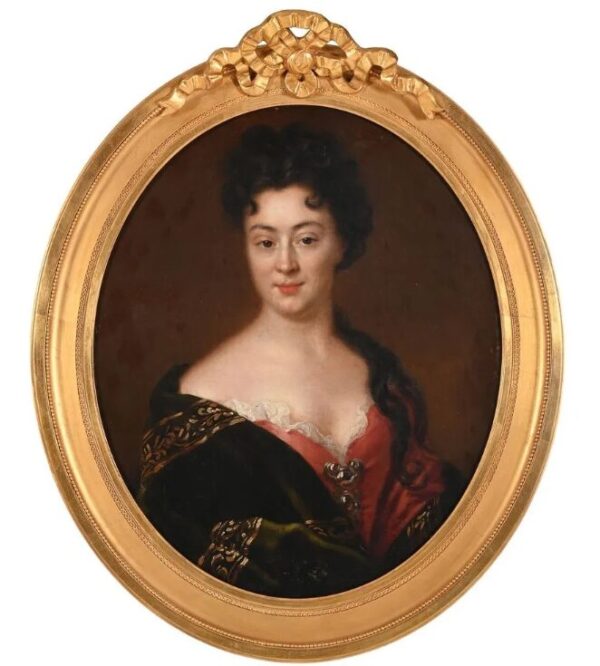
Portrait of an Elegant Lady – Painting French School 18th Century Style
Antique painting and drawing
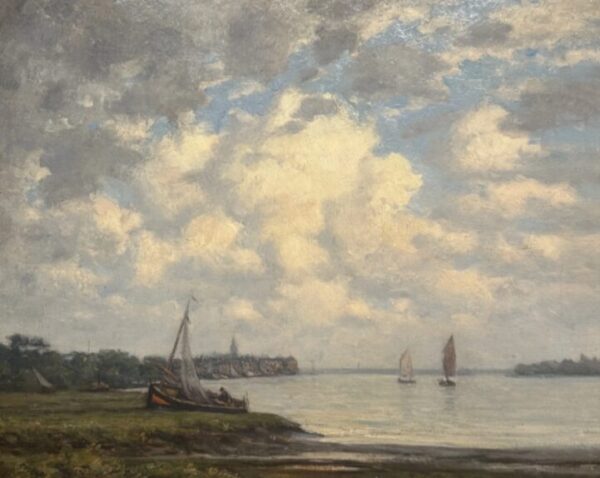
Marins, Oil on cardboard signed Victor Brugairolles – Breton navy, pre-impressionist style

Antique painting and drawing
MICHEL PICCOLI signed JL PENAMARIA oil on panel painting film actor 20th century
Antique painting and drawing
ENGRAVING SCENES 18TH C., reproduction from 19TH C. paintings, signed G. SCHLUMBERGER

Reviews
There are no reviews yet.